
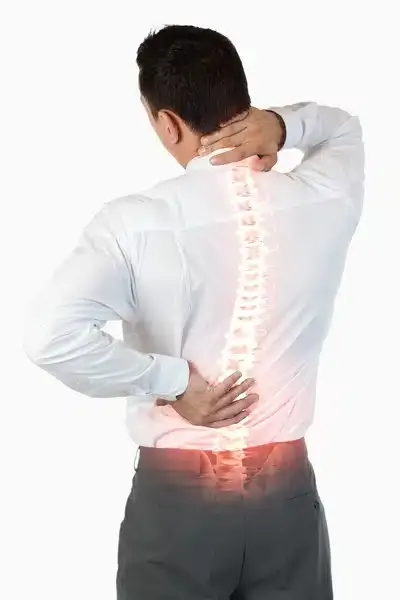
Spinal degenerative disease is a chronic condition affecting the spinal structures, causing irreversible changes within them. It involves the premature wear and degeneration of tissues forming the joints, discs, vertebrae, and other components of the spine. As a result of the disease, damage occurs to the articular cartilage, leading to bone remodeling and the formation of so-called bone spurs (osteophytes), as well as subchondral cysts. The consequence of these changes is general damage to spinal structures, the development of instability in its segments, and deformation of the entire spine.
Every injury brings not only temporary pain and discomfort but often necessitates a break from training. In extreme cases, it can even lead to permanent movement restrictions and a complete prohibition from sports activities. Returning to full fitness can be a lengthy process requiring rehabilitation, which is why injury prevention is so crucial.
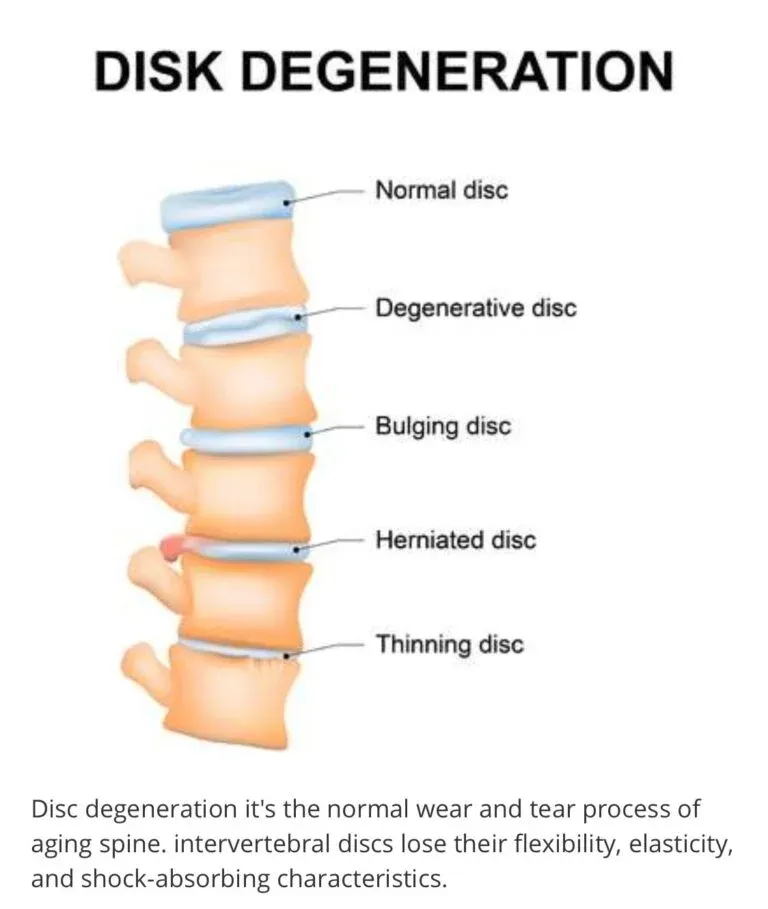
Types of Spinal Degeneration
Degenerative disease in the spinal area can take various forms depending on the location of the condition and the state of pain symptoms. Several clinical forms of this disease are distinguished:
- Degenerative disease of the true spinal joints (facet joint arthrosis)
- Degenerative disease of the uncovertebral joints (cervical)
- Degenerative disease of the spinal segment secondary to chronic disc herniation
- Costovertebral degenerative disease
- Diffuse Idiopathic Skeletal Hyperostosis (DISH).
Worsening symptoms of spinal degenerative disease primarily include radiating spinal pain, e.g., to the buttocks or lower limbs, sensations of tingling and numbness, and general weakness in the legs during movement. Acute pain syndromes begin to appear in cases of displacement and herniation of spinal elements (e.g., intervertebral discs). These can lead to serious neurological symptoms (sensory and motor disturbances, paresis, muscle atrophy).
Treatment of Spinal Degenerative Disease
Therapy for spinal degenerative disease is determined individually, depending on the type and severity of the condition. In many cases, conservative treatment is sufficient and often necessary to support pharmacological management.
Every injury brings not only temporary pain and discomfort but often necessitates a break from training. In extreme cases, it can even lead to permanent movement restrictions and a complete prohibition from sports activities. Returning to full fitness can be a lengthy process requiring rehabilitation, which is why injury prevention is so crucial.
At our clinic, following a thorough consultation and examination, we can indicate effective therapy to maintain the functionality of a diseased spine and other joints.