
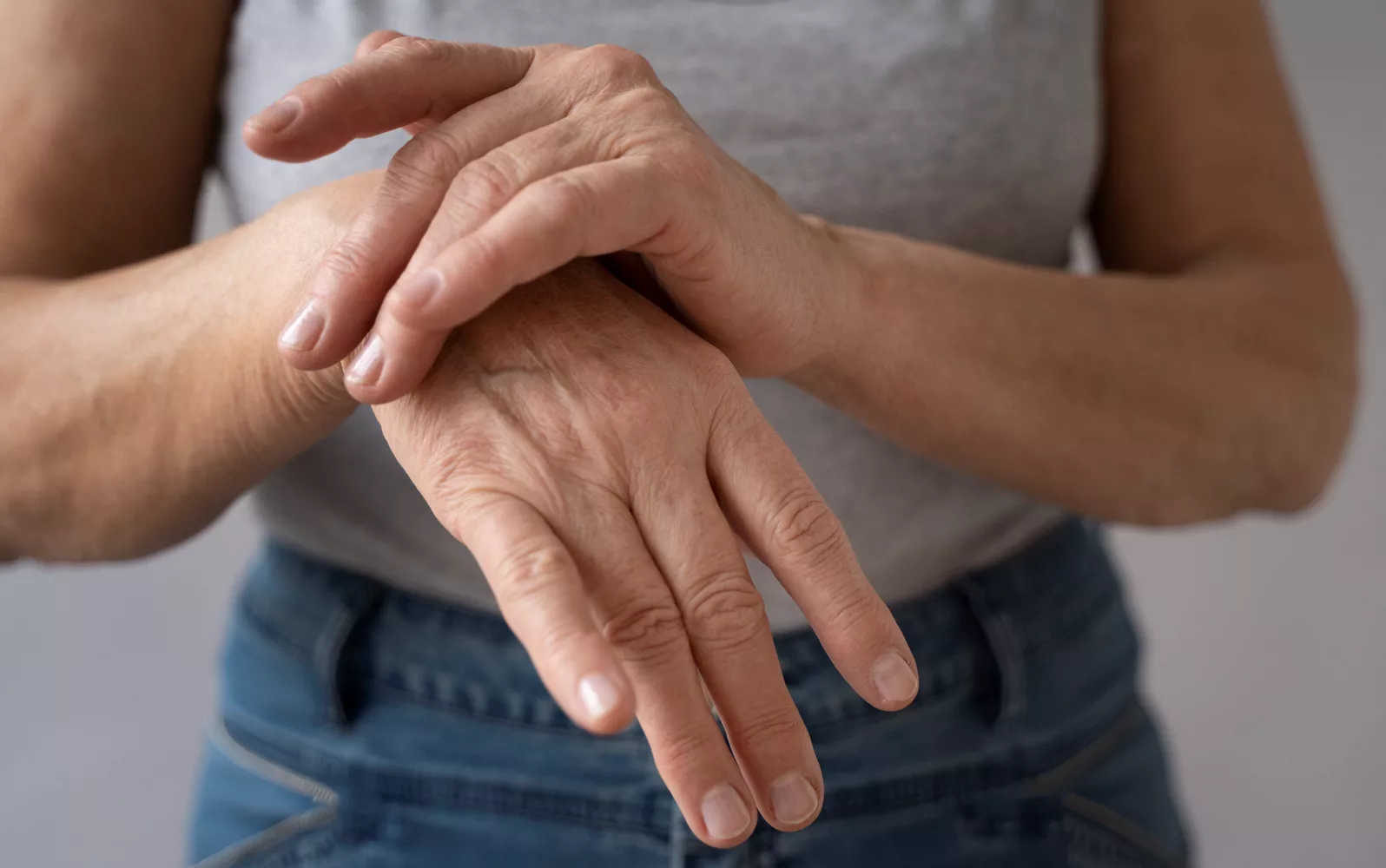
Numbness in hands is one of the most common nerve-related complaints seen in clinical practice. People describe it in many ways – tingling, pins and needles, a buzzing sensation, loss of feeling, or the unsettling experience of a hand that has “gone dead.” Medically, numbness in hands falls under the umbrella of paraesthesia, meaning altered or abnormal sensation caused by disruption in the way nerves communicate with the brain. The symptom can affect the whole hand, individual fingers, the wrist, or the forearm, and it may appear on one side or both.
For some, numbness in hands is brief and harmless – caused by sleeping in an awkward position or leaning on the elbow too long. For others, it becomes a recurring or persistent problem that interferes with sleep, work, grip strength, and daily confidence. When numbness in hands keeps returning, grows more intense, or starts appearing alongside pain, weakness, or stiffness, the body is sending a clear signal that something needs attention.
Getting the right assessment early makes a significant difference. An experienced osteopath London can examine the hand, wrist, elbow, shoulder, neck, and spine together to identify the true source and build a treatment plan that targets the cause rather than just managing symptoms.
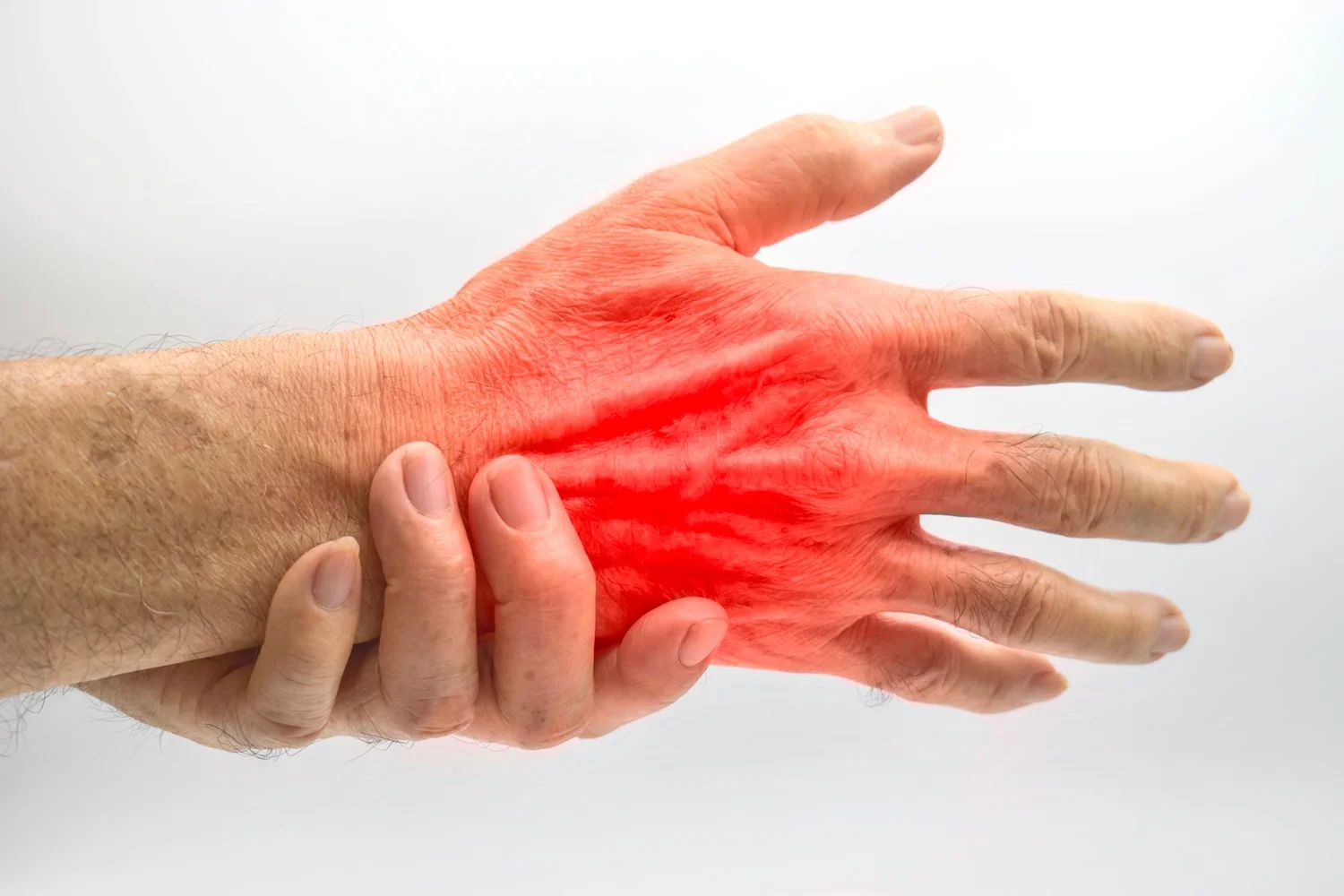
What Causes Numbness in Hands?
The causes of numbness in hands range from simple mechanical pressure to complex neurological and systemic conditions. Understanding the most common triggers helps explain why the symptom behaves the way it does and why treatment needs to address the right level.
Positional Pressure and Poor Ergonomics
The single most common reason for numbness in hands is sustained pressure on a nerve or blood vessel. This happens when people sleep with the wrist bent or the arm tucked under the body, work at a desk for hours without breaks, grip a steering wheel or phone too tightly, or sit with the elbows resting on hard surfaces. In all these situations, the nerve is temporarily compressed, blood flow is reduced, and the hand responds with tingling or loss of sensation.
This type of numbness in hands usually resolves within seconds or minutes once the pressure is removed and the hand is moved. However, if it happens every day – particularly during work or sleep – it suggests that the tissues are being pushed beyond their tolerance repeatedly. Over time, what starts as a minor inconvenience can develop into a more stubborn nerve sensitivity problem that no longer settles on its own.
Chronic Muscle Tension
Tight muscles in the neck, shoulders, chest, and forearms are a surprisingly common contributor to numbness in hands. When muscles remain in a shortened, overloaded, or guarded state for long periods, they can compress or irritate the nerves that pass through them. This is especially relevant in the scalene muscles of the neck, the pectoralis minor beneath the collarbone, and the forearm flexors near the wrist.
Stress is a major driver of this pattern. Under prolonged mental or emotional pressure, many people unconsciously raise their shoulders, clench their jaw, and hold tension through the upper body. These subtle postural shifts can restrict nerve movement, reduce blood flow, and create conditions where numbness in hands appears regularly – particularly at the end of a long day or during periods of high workload. Releasing this tension through skilled remedial massage London can reduce nerve compression and restore more comfortable function.
Cervical Spine Problems
The nerves that supply the entire arm and hand originate in the cervical spine – the neck. This means that any problem affecting the neck can potentially produce numbness in hands, even if the neck itself does not feel particularly painful. Stiff joints, disc bulges, degenerative changes, and inflamed tissues in the cervical region can all irritate nerve roots as they exit the spine.
This connection explains why numbness in hands so often appears together with neck stiffness, upper back pain, or tension between the shoulder blades. Progressive wear and tear through spinal degeneration narrows the space available for nerves and makes them more vulnerable to compression. A slipped disc in the cervical spine can produce particularly intense symptoms – sharp pain shooting into the arm, combined with deep numbness in hands and noticeable weakness in grip.
When the cervical spine is involved, restoring joint mobility is an important part of treatment. A carefully applied spinal adjustment near me technique can help decompress irritated segments and improve the mechanical environment around the affected nerve roots. For chronic calcification and tissue resistance, focused shockwave therapy London may also be considered.
Local Nerve Compression
Not every case of numbness in hands originates in the neck. The median, ulnar, and radial nerves each travel through narrow passages in the arm and wrist where they can become trapped or irritated locally. The most well-known example is carpal tunnel syndrome, in which the median nerve is compressed at the wrist, producing numbness in the thumb, index finger, and middle finger. Ulnar nerve entrapment at the elbow or wrist tends to affect the ring finger and little finger.
Swelling around these passages makes symptoms worse, which is one reason numbness in hands often intensifies at night, during pregnancy, after injury, or in inflammatory conditions. Where fluid retention contributes to nerve compression, manual lymphatic drainage London can help reduce swelling and relieve pressure on sensitive structures.
Nerve Root Inflammation and Neuralgia
Sometimes numbness in hands is driven not by compression alone but by active inflammation along the nerve pathway. Neuralgia – inflammation of nerve tissue – can produce burning, electric, or shooting sensations alongside numbness, and may make the affected area hypersensitive to touch or temperature. When inflammation targets the cervical nerve roots specifically, symptoms can radiate from the neck through the shoulder and down into the hand.
Understanding the broader pattern of nerve irritation is helpful. Although sciatica affects the lower limb rather than the hand, the underlying mechanism – irritation of a spinal nerve root producing distant symptoms – is the same. The principle that symptoms can appear far from their actual source applies equally to numbness in hands caused by cervical nerve root problems.

Numbness in Hands While Sleeping
Numbness in hands while sleeping is one of the most frequently reported versions of this symptom. Many people wake in the middle of the night or early morning with one or both hands feeling completely numb, tingly, or painfully stiff. Shaking the hand or running it under warm water may bring temporary relief, but the pattern often repeats night after night.
There are several reasons why numbness in hands while sleeping is so common. During sleep, the wrist may flex or extend into positions that increase pressure on the median or ulnar nerve. The shoulder and neck may be held in awkward postures for hours. Fluid tends to redistribute when lying down, which can increase swelling around vulnerable nerve passages.
However, numbness in hands while sleeping can also indicate that the nerve is already sensitised during the day, and sleep posture simply tips the balance. In these cases, addressing the underlying cause – whether it is cervical spine stiffness, muscle tension, postural imbalance, or local nerve compression – is more effective than simply changing pillows or wrist positions.
What Deficiency Causes Numbness in Hands While Sleeping?
A question patients frequently ask is what deficiency causes numbness in hands while sleeping. The most relevant nutritional deficiency is vitamin B12, which is essential for maintaining the protective myelin sheath around nerves. When B12 levels are low, nerve function deteriorates and symptoms such as numbness in hands, tingling in the fingers, and poor coordination can develop – often becoming more noticeable at night.
Other nutrients that play a role in nerve health include vitamin B6, magnesium, potassium, and iron. Deficiencies in any of these can contribute to altered sensation, muscle cramps, and increased nerve sensitivity. However, it is important not to assume that numbness in hands while sleeping is always caused by a vitamin deficiency. Mechanical causes – nerve compression, spinal issues, muscle tension – are far more common and need to be assessed properly before relying solely on supplementation.
Numbness in Legs and the Connection to Broader Nerve Problems
While this article focuses primarily on numbness in hands, many patients also experience numbness in legs. The two problems can occur independently or together, and in some cases they share a common underlying cause. Systemic conditions such as diabetes, peripheral neuropathy, and certain autoimmune disorders can affect nerves throughout the body, producing tingling and loss of sensation in both the hands and the feet.
Understanding how to stop numbness in legs and feet often requires the same type of thorough assessment needed for hand symptoms – examining the spine, testing nerve function, reviewing circulation, and identifying contributing mechanical factors. When numbness in legs appears alongside numbness in hands, the combination may point toward a more widespread neurological process that benefits from coordinated care.
Posture, Spinal Alignment and Long-Term Risk
The way the spine is aligned and how the body carries load over time can influence whether numbness in hands develops, persists, or worsens. Conditions such as scoliosis alter the mechanical balance of the entire spine, including the cervical region, and can create patterns of uneven muscle tension, joint restriction, and nerve vulnerability that make upper limb symptoms more likely.
Likewise, chronic lower back pain – while not a direct cause of numbness in hands – can influence overall posture, movement patterns, and compensatory tension through the thoracic spine and neck. Treating the body as a connected system rather than focusing only on the symptomatic area tends to produce better long-term outcomes.
Numbness in Hands After Injury
Trauma is another important cause of numbness in hands. Falls onto an outstretched hand, whiplash injuries, shoulder dislocations, wrist fractures, and repetitive overload from sport or manual work can all damage or irritate nerves. Symptoms do not always appear immediately – swelling and inflammation may take hours or days to develop, meaning numbness in hands sometimes begins well after the initial incident.
People recovering from sports injuries or road traffic collisions should be aware that lingering tingling or numbness in the arm and hand may indicate nerve involvement that needs specific attention. A structured programme of rehabilitation London can address not only the primary injury but also the secondary nerve irritation, muscle guarding, and movement restriction that often accompany it.
Treatment Approaches for Numbness in Hands
Effective treatment for numbness in hands depends entirely on identifying the correct cause. A careful clinical assessment should examine the hand, wrist, elbow, shoulder, neck, and upper back together, using orthopaedic and neurological tests to determine where the nerve is being compromised.
Once the source is identified, treatment may include:
- Manual therapy and osteopathic treatment to restore joint mobility and reduce tissue tension
- Soft tissue neuromobilisation to improve the way nerves glide through surrounding structures
- Therapeutic massage London to address muscle tightness contributing to nerve compression
- Spinal manipulation near me techniques to decompress restricted cervical segments
- Corrective exercises to improve posture, shoulder control, and upper limb mechanics
- Kinesio taping London to support tissues and improve proprioceptive awareness during recovery
Lasting improvement comes not just from relieving symptoms in the short term, but from understanding why numbness in hands developed in the first place and changing the factors that caused it.
Numbness in Hands in Children
While less common, numbness in hands can also affect children and teenagers. Rapid growth, heavy school bags, prolonged device use, hypermobility, postural habits, and sports participation can all create conditions where nerves become irritated in younger patients. Parents who notice their child complaining of tingling, dropping objects, or shaking their hands frequently may benefit from early assessment. Paediatric osteopathy London offers a gentle, age-appropriate way to evaluate and treat these symptoms before they become entrenched.
Do Not Ignore Persistent Numbness in Hands
Numbness in hands is a symptom with many possible explanations. Most cases are not dangerous, but persistent, progressive, or painful numbness deserves professional assessment. Waiting too long allows nerve irritation to become more established and harder to resolve. Early identification of the cause gives the best chance of full recovery.
If numbness in hands is affecting your sleep, your work, your grip, or your confidence, take the step to get it properly assessed. Our team at osteopathy London is here to help you find the source and build a clear path toward recovery.

FAQ – Numbness in Hands
When should I worry about numbness in my hands?
You should be concerned if numbness in hands occurs frequently, lasts longer than a few minutes, affects the same fingers repeatedly, or comes with pain, weakness, or loss of grip. Occasional tingling after sleeping awkwardly is usually harmless, but a pattern that keeps returning suggests the nerve is being irritated beyond simple positional pressure. If numbness in hands is getting worse over time rather than better, professional assessment is strongly recommended.
What is the disease that starts with numb hands?
Several conditions can begin with numbness in hands as an early symptom. These include carpal tunnel syndrome, cervical disc disease, peripheral neuropathy, diabetes, vitamin B12 deficiency, and in rarer cases multiple sclerosis. The specific pattern – which fingers are affected, whether symptoms are one-sided or bilateral, and what other signs are present – helps narrow down the diagnosis. Early assessment improves outcomes regardless of the underlying cause.
What are the warning signs of numbness?
Warning signs include numbness in hands that appears suddenly without explanation, spreads rapidly up the arm, is accompanied by weakness or loss of coordination, or occurs together with facial drooping, speech difficulty, or confusion. Numbness that wakes you from sleep every night, makes you drop objects, or prevents you from feeling temperature or pain in the affected area also warrants prompt attention. These patterns suggest nerve involvement that may worsen without treatment.
Can numbness in hands be related to heart?
Yes. Numbness or tingling in the left arm and hand can be an early sign of a cardiac event, particularly a heart attack. If numbness in the left hand appears suddenly together with chest pressure, shortness of breath, jaw pain, nausea, dizziness, or a feeling of impending doom, you should call emergency services immediately. However, it is important to note that the vast majority of numbness in hands cases are musculoskeletal or neurological rather than cardiac in origin.
Is hand numbness a stroke?
Sudden numbness in one hand can be a symptom of a stroke, but it is rarely the only one. A stroke typically produces numbness or weakness on one entire side of the body, along with facial drooping, difficulty speaking, confusion, visual disturbance, or severe headache. If you suspect a stroke, use the FAST test (Face, Arms, Speech, Time) and seek emergency help without delay. Isolated, recurring numbness in hands without these additional symptoms is far more likely to have a musculoskeletal or peripheral nerve cause.