
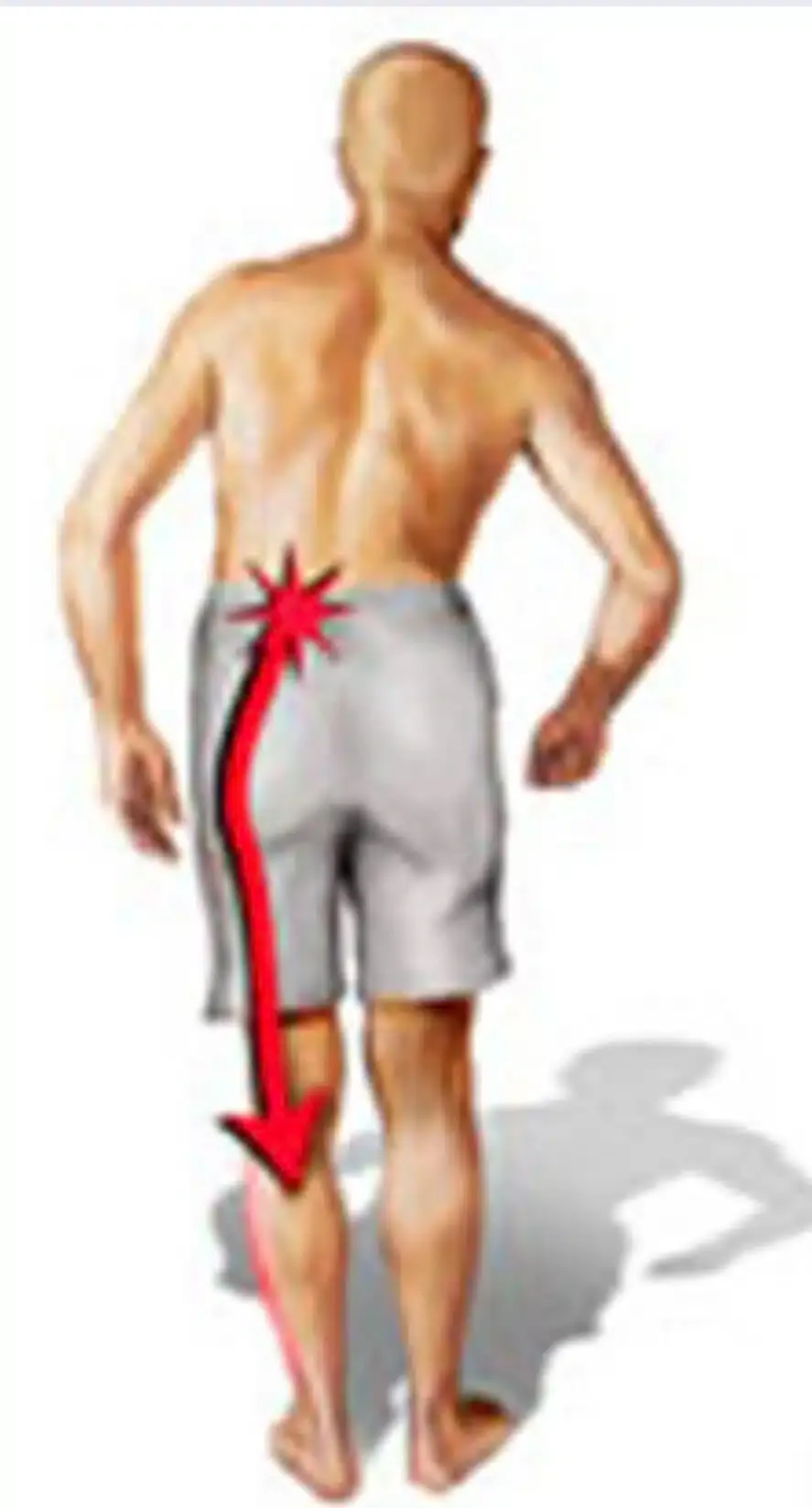
Sciatica is one of the most common causes of sharp, radiating pain travelling from the lower back into the buttock and down the leg. For many patients, the attack seems to appear suddenly: after bending forward, lifting something awkwardly, getting out of bed too quickly, or even picking up a light object in the wrong way. The pain can be stabbing, burning, electric, or pulling, and it may become strong enough to limit walking, sitting, sleeping, and even turning in bed.
What makes sciatica so disruptive is that the pain is often felt more in the leg than in the back. Some people barely notice lumbar pain at all and instead feel intense discomfort only in the buttock, thigh, calf, or foot. Others have repeated episodes of back pain for months before a more severe flare finally appears. If that sounds familiar, early assessment matters. If you are looking for an osteopath London, getting the right diagnosis early can make a major difference.

What Is Sciatica?
A very common question is: what is sciatica? In simple terms, sciatica is a pain syndrome caused by irritation or compression of the nerve roots that contribute to the sciatic nerve. The sciatic nerve is the largest nerve in the body, and it runs from the lower spine through the buttock and down the back of the leg. When one of the nerve roots in the lower back becomes irritated, the pain can follow this pathway.
That is why sciatica pain usually does not stay only in the lower back. It often radiates through the buttock, hip, back of the thigh, below the knee, into the calf, and sometimes all the way to the toes. Depending on which structures are involved, the pain may be felt only in one section of that route. A patient may complain of pain only in the buttock, just in the calf, or below the knee without realising the source is still in the lower spine.
In most cases, sciatica is not a separate disease on its own. It is a consequence of another spinal problem, such as disc irritation, nerve root inflammation, overload, or degenerative change. That is why good treatment has to focus on the cause rather than only the pain itself.
Sciatica Symptoms – How to Recognise the Problem
The classic sciatica symptoms involve pain that travels along one leg, usually on one side only. The pain may start in the buttock or lower back and move downward, but not every patient experiences the full pattern. Some people feel a deep ache in the buttock. Others describe stabbing pain in the back of the thigh or calf. In more severe cases, the pain reaches the foot and toes.
The most common sciatica symptoms include:
- sharp or burning pain from the lower back or buttock into the leg
- discomfort that worsens with bending, lifting, sitting, or twisting
- pain made worse by coughing, sneezing, or laughing
- tingling or pins and needles in the leg
- weakness in the lower leg or foot
- reduced sensation or altered feeling in part of the leg
- pain that becomes more severe at night
- difficulty walking upright or changing position in bed
In more advanced cases, sciatica pain may be accompanied by numbness in legs or even foot drop, where lifting the front of the foot becomes difficult. If symptoms progress to this stage, professional treatment should not be delayed.
What Causes Sciatica?
Patients also commonly ask: what causes sciatica? The answer is that several different spinal problems can irritate the nerve roots in the lower back, but the underlying mechanism is usually the same: something is compressing or inflaming the nerve.
Slipped discs and disc irritation
One of the most common causes is a slipped disc. When the disc between two vertebrae becomes damaged, bulges, or herniates, it may press directly onto the nearby nerve root. This is one of the main reasons why sciatica can begin after lifting, bending, or twisting under load.
Degenerative changes in the spine
Another frequent cause is spinal degeneration. With age and repeated strain, the spine can develop joint enlargement, ligament thickening, and reduced space for the nerves. In this environment, the nerve root becomes more vulnerable to compression, especially during certain movements or longer periods of sitting.
Long-term overload and posture
Poor movement habits matter too. Repeated bending, prolonged sitting, weak core stability, and asymmetrical loading of the pelvis all increase stress in the lower spine. In some people, postural problems such as scoliosis add extra imbalance and increase the likelihood of disc or nerve irritation over time.
Trauma and sport-related strain
Sometimes sciatica begins after a fall, collision, or sudden sports-related overload. That is especially common when the lower back has already been under strain before the injury. In these cases, the issue may overlap with other sports injuries and should be assessed in context rather than treated as an isolated symptom.
Why Sciatica Often Starts “Out of Nowhere”
Patients often say their symptoms appeared “for no reason.” In reality, sciatica usually develops as the final stage of a process that has been building for weeks, months, or even years. Before the full flare-up, many people report repeated episodes of lower back pain, stiffness after sitting, difficulty bending, or small warning signs that they ignored because the pain came and went.
Then one day, a relatively simple movement – bending to tie a shoe, lifting a bag, reaching awkwardly, or jumping out of bed too quickly – is enough to trigger a much stronger episode. This is why what causes sciatica is rarely just the final movement. The final movement is often only the last straw.
What Makes Sciatica Worse?
Once the nerve is irritated, even very small movements can increase the pain. Many patients find that coughing, sneezing, laughing, rolling over in bed, or even adjusting posture in a chair suddenly reproduces the pain. That is because these actions change pressure through the spine and tissues around the nerve root.
The body then starts to compensate automatically. A patient may lean away from the painful side, avoid putting full weight on one leg, or stay slightly bent forward because it feels less uncomfortable. Although this may help for a short time, it often creates more muscle guarding and extra stress in other areas.
For some people, sciatica symptoms also overlap with broader nerve irritation patterns, especially when inflammation becomes more pronounced. In these cases, a related condition such as neuralgia may also be part of the picture.
How to Treat Sciatica Properly
A lot of patients search online for how to treat sciatica, but the best answer always starts with one point: effective treatment should address the cause, not only dull the pain. Painkillers and anti-inflammatory medication may provide short-term relief, but they do not remove disc pressure, correct spinal mechanics, or restore stability in the lower back.
Hands-on treatment and spinal assessment
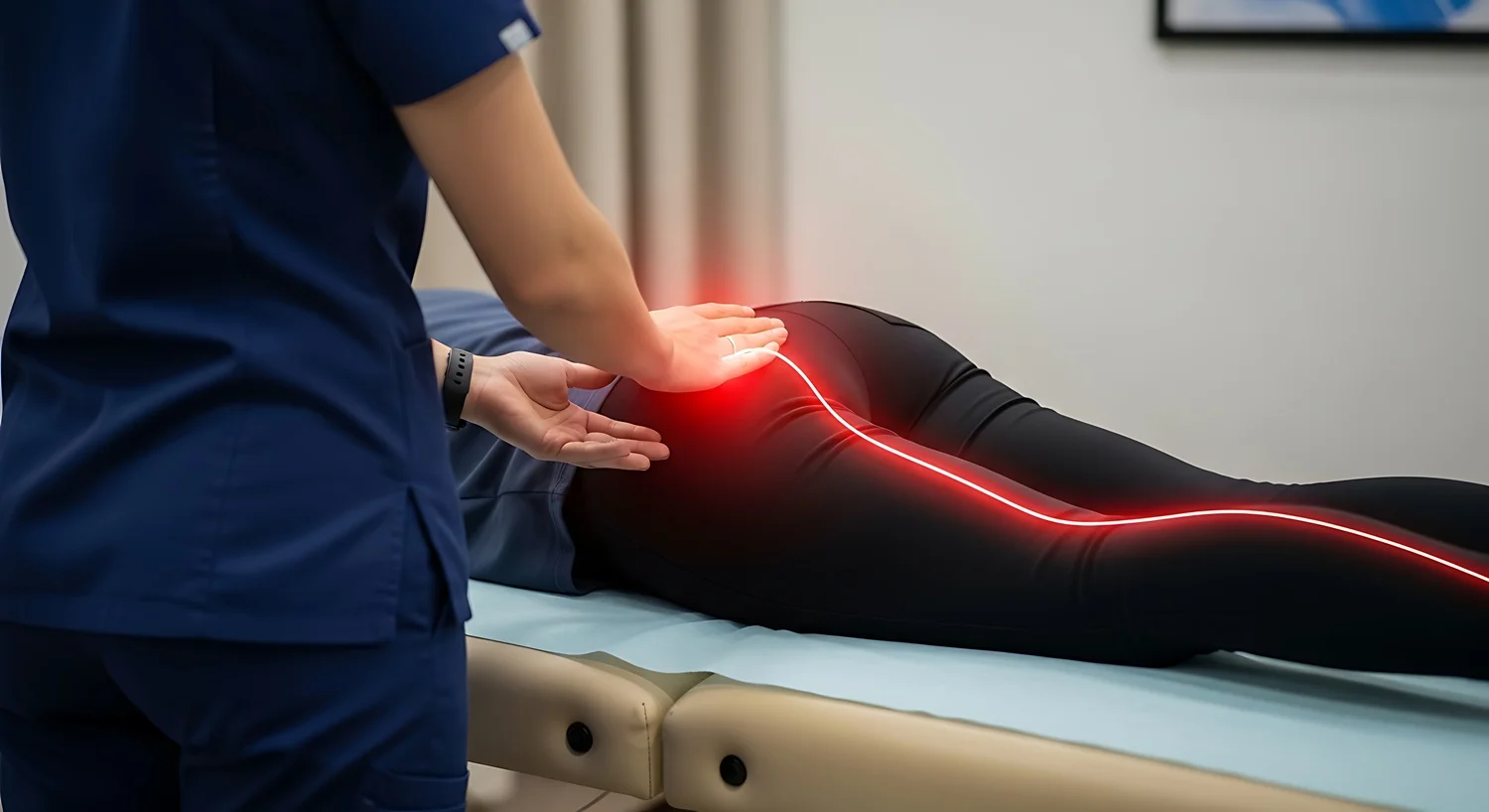
When the source is mechanical, manual treatment can be very effective. In selected cases, back adjustment London may help improve joint mechanics, reduce local restriction, and take pressure off irritated structures. The exact approach depends on whether the main issue is disc-related, joint-related, muscular, or mixed.
Releasing secondary muscle tension
Many patients with sciatica pain also develop intense guarding in the lower back, buttock, and surrounding tissues. These muscles tighten in an attempt to protect the area, but they often make movement even harder. In such cases, remedial massage London can be a valuable part of treatment to reduce protective spasm, improve circulation, and help the patient move more comfortably.
Movement-based rehabilitation
One of the most important long-term answers to how to treat sciatica is movement. Well-selected corrective exercises can improve stability, reduce repeated overload on the lumbar spine, strengthen support muscles, and lower the risk of recurrence. Not all sciatica exercises are appropriate in every phase, however. An exercise that helps one patient may aggravate another if the underlying cause is different.
That is why sciatica exercises should be individual rather than copied randomly from social media or video platforms. The goal is not to “push through pain,” but to restore control and gradually normalise loading through the back and pelvis.
Treatment after injury or trauma
If symptoms started after a collision, fall, or sports injury, the patient may need a broader programme of rehabilitation London rather than isolated treatment of pain alone. Trauma can change movement patterns, create swelling, and sensitise the nervous system, all of which may contribute to a more stubborn episode of sciatica.
Supportive therapies in selected cases
In chronic or complex presentations, supportive treatment may also be useful. focused shockwave therapy London may be considered where persistent soft tissue overload coexists with lower back dysfunction. kinesio taping london may be added to support awareness, posture, and movement control during recovery. In patients whose acute pain has led to inactivity and swelling, lymphatic drainage massage london may support comfort and tissue drainage in selected cases.
Sciatica Exercises – What Actually Helps?
The phrase sciatica exercises is searched constantly, but there is no single universal movement that works for everyone. Some people respond well to extension-based movements, others need gentle decompression, pelvic control work, or simple walking progression before any stronger exercise is introduced. The wrong exercise at the wrong time may irritate the nerve further.
That is why assessment matters so much. Good sciatica exercises should reduce symptoms over time, improve tolerance to movement, and help the patient return to normal daily activity. They should not cause sharp spreading pain, force the leg into stronger tingling, or leave symptoms worse for hours afterwards.
Although sciatica is far more common in adults, younger patients can also develop lumbar overload from rapid growth, postural issues, or training demands. In those situations, physiotherapy for children london may be appropriate when pain patterns need professional assessment early.
How Long Does Sciatica Last?
Another key question is: how long does sciatica last? There is no single answer, because recovery depends on the cause, the degree of nerve irritation, how early treatment begins, and whether the patient continues to overload the area during recovery.
A mild acute flare may improve over days or a few weeks. A more established disc-related problem may last much longer, especially if it has already been recurring for months. In chronic cases, how long does sciatica last often depends on whether the patient finally addresses the underlying issue rather than only taking medication and waiting for it to settle.
The biggest mistake is assuming that because the pain temporarily eases, the problem has gone. With sciatica, pain often comes and goes before returning more strongly. That pattern is one reason so many patients delay treatment for too long.
When Should You Seek Help Urgently?
Most episodes of sciatica can be treated conservatively, but there are situations where urgent assessment is important. You should seek prompt medical attention if you develop:
- rapidly worsening weakness in the foot or leg
- severe numbness around the groin or saddle area
- changes in bladder or bowel control
- increasing loss of sensation
- pain so severe that you cannot stand, walk, or sleep at all
These symptoms may indicate more significant nerve involvement and should not be ignored.
FAQ – Sciatica
How can you relieve sciatic pain?
Relieving sciatica pain usually starts with reducing irritation around the affected nerve. Short-term rest from aggravating movements, gentle position changes, and early hands-on treatment may all help. The most effective relief comes from identifying the real cause rather than masking symptoms with medication alone. If pain keeps returning, a proper assessment is needed.
What is the number one exercise for sciatica?
There is no single “number one” exercise that works for every case of sciatica. The best movement depends on whether the pain is coming mainly from a disc, joint restriction, muscle overload, or a mixed pattern. For some people, walking helps; for others, specific extension or decompression movements are better. Sciatica exercises should always match the patient’s presentation.
What not to do for sciatica?
With sciatica, avoid heavy lifting, repeated bending and twisting, sitting too long without breaks, and forcing stretches that increase leg pain. It is also a mistake to ignore progressive numbness or weakness while relying only on painkillers. Pushing through severe symptoms can aggravate the nerve. Early treatment is usually better than waiting for a bigger flare.
What causes sciatica buttock pain?
Buttock pain in sciatica usually happens because the irritated nerve root is referring pain along the sciatic pathway. Sometimes the disc or lower back structure is the source, but the strongest pain is felt lower down. Muscle guarding around the buttock can also add to the discomfort. That is why the place where you feel pain is not always the place where the problem starts.
Does walking stop sciatica?
Walking can help some cases of sciatica, especially when done gently and within tolerance. It may improve circulation, reduce stiffness, and stop the patient from becoming too immobile. However, walking is not a cure on its own, and if it clearly increases symptoms it should be adjusted or limited. The real goal is to treat the underlying cause and then build movement back gradually.