

A slipped disc is one of the most common spinal problems behind persistent back pain, radiating leg pain, numbness, and loss of function. Many patients use the term casually, but the condition itself can be serious, especially when a damaged disc starts irritating nearby nerves. In some cases, symptoms begin gradually after weeks of stiffness and overload. In others, the pain appears suddenly after bending, lifting, twisting, or getting out of bed the wrong way.
The key point is that a slipped disc does not always feel like “just back pain.” It may trigger symptoms in the buttock, leg, foot, shoulder, arm, or hand depending on which part of the spine is involved. If you are struggling with recurring symptoms, an experienced osteopath London can help identify the real cause and guide treatment based on the actual structures involved rather than only masking the pain.
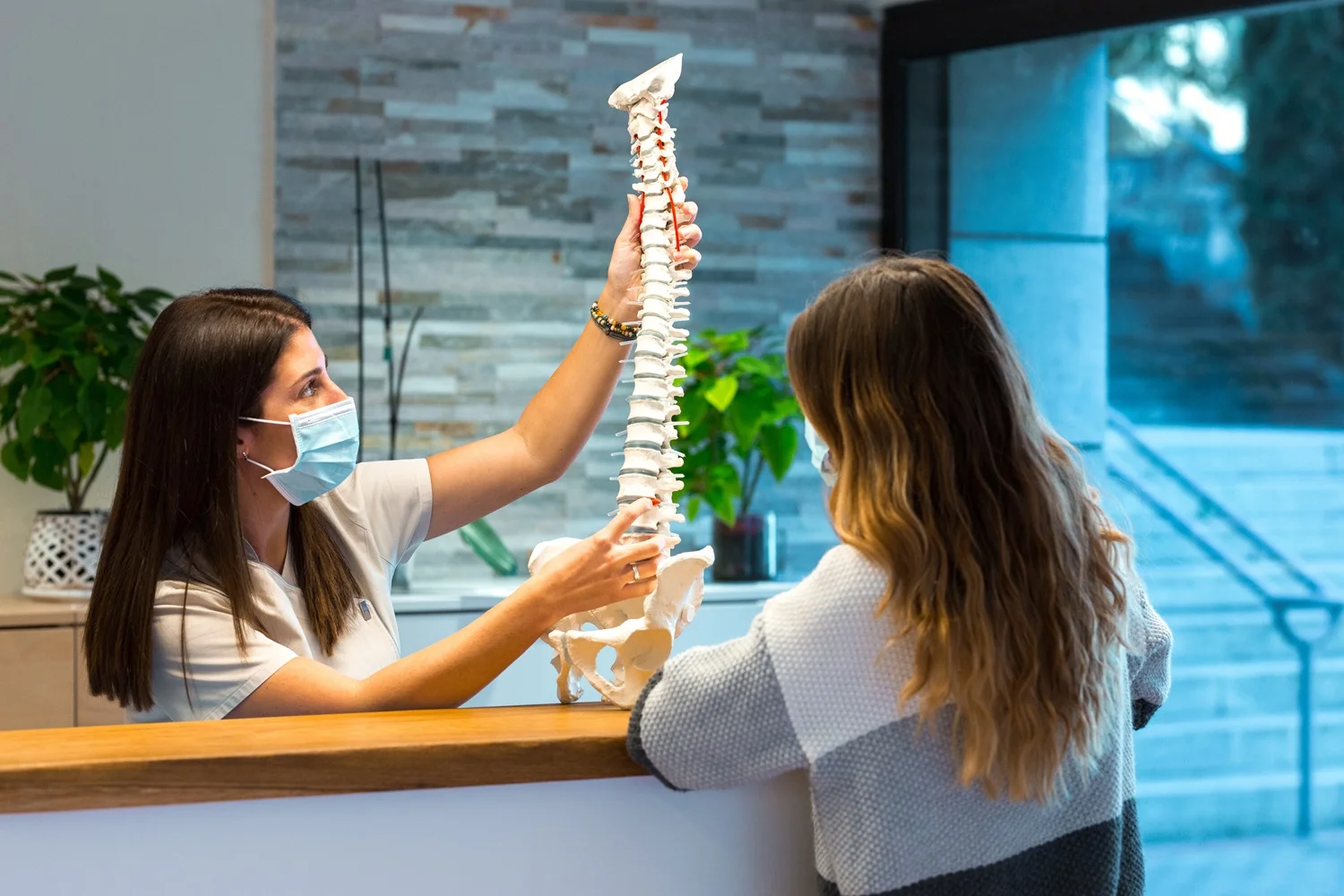
What is a slipped disc?
A slipped disc is the common name for intervertebral disc damage, often involving a bulge, protrusion, or herniation of the disc material. The disc sits between the vertebrae and acts as both a connector and a shock absorber. It helps the spine tolerate movement, transfer load, and absorb pressure during daily activity.
When the disc is healthy, it can handle these demands surprisingly well. But over time, prolonged overload, poor posture, heavy lifting, repetitive bending, and trauma can weaken the disc structure. At that point, part of the disc may begin to shift out of its normal position and irritate nearby tissues. This is why a slipped disc in back most often develops after a long build-up of strain rather than from one single event alone.
A slipped disc in back can affect the cervical, thoracic, or lumbar spine, but it is most common in the lower back. That is also why many patients first experience it as repeated back pain before the symptoms become more intense and specific.
What does a slipped disc feel like?
Patients often search for one question in particular: what does a slipped disc feel like? The answer depends on the level of the spine involved and whether nerves are being compressed.
In the lower back, the pain may begin as stiffness or a deep ache, then progress into sharper pain with bending, lifting, coughing, or sitting. When a nerve root becomes irritated, the symptoms often spread into the buttock, thigh, calf, and foot. In that situation, the pattern may overlap with sciatica, especially when the sciatic nerve pathway is involved.
In the neck, the symptoms can feel different. A cervical disc problem may cause pain in the neck, shoulder blade, upper arm, forearm, or hand. Some patients also report tingling, weakness, or numbness in hands. Thoracic disc problems are less common, but when they occur, they may create pain around the ribs, between the shoulder blades, or across the chest.
So, what does a slipped disc feel like in everyday life? For some people it feels like locking, stabbing pain and difficulty moving. For others it feels more like burning, pulling, numbness, weakness, or a deep ache that keeps returning. The more nerve involvement there is, the more likely it is that symptoms will radiate away from the spine.
Slipped disc symptoms
The most common slipped disc symptoms depend on the degree of disc damage and whether nearby nerves are irritated. In milder cases, the problem may begin with local spinal pain only. In more advanced cases, symptoms become neurological.
Typical slipped disc symptoms include:
- severe and persistent back or neck pain
- pain that radiates into the arm or leg
- reduced sensation
- tingling or altered feeling in part of the limb
- weakness in the hand, leg, or foot
- stiffness and reduced mobility
- numbness in the arms or legs
- foot drop in more serious lumbar cases
Some patients also develop pain patterns that resemble neuralgia, especially when inflammation around the nerve root becomes more pronounced. If symptoms include progressing weakness, increasing numbness, or trouble controlling the foot, prompt assessment is important.
What causes a slipped disc in back?
A slipped disc rarely appears without warning. Most of the time, there is a longer history of overload in the background. Patients often remember the final trigger – lifting a bag, bending forward, twisting awkwardly, or standing up too quickly – but the disc has usually been under strain for much longer.
Common causes include:
- prolonged sitting
- repeated bending and lifting
- poor posture
- weak spinal support muscles
- heavy manual work
- sudden twisting under load
- trauma or falls
- returning to exercise too aggressively
Degenerative changes also matter. Over time, spinal degeneration can reduce the resilience of discs and make the spine less tolerant to everyday strain. Postural problems such as scoliosis may create uneven loading through the spine and increase the risk of disc injury on one side.
For some patients, symptoms begin after trauma, lifting at work, or sporting overload. In these situations, the broader context of sports injuries may need to be considered, especially if other structures have also been affected.
Why symptoms come and go
One of the most frustrating things about a slipped disc is that symptoms often improve temporarily and then return again. Patients sometimes assume that if the pain settles for a few days or weeks, the problem has gone. Unfortunately, that is not always the case.
Pain may ease because inflammation has reduced, the body has compensated, or the irritated tissues are temporarily less reactive. But if the underlying disc problem remains, the same movement patterns and loads can reproduce the issue later. This is why so many people try to “wait it out,” only to discover that the next episode is stronger than the last.
That stop-start pattern is common in disc problems and is one reason why early treatment matters. Waiting too long often allows the problem to become more entrenched.
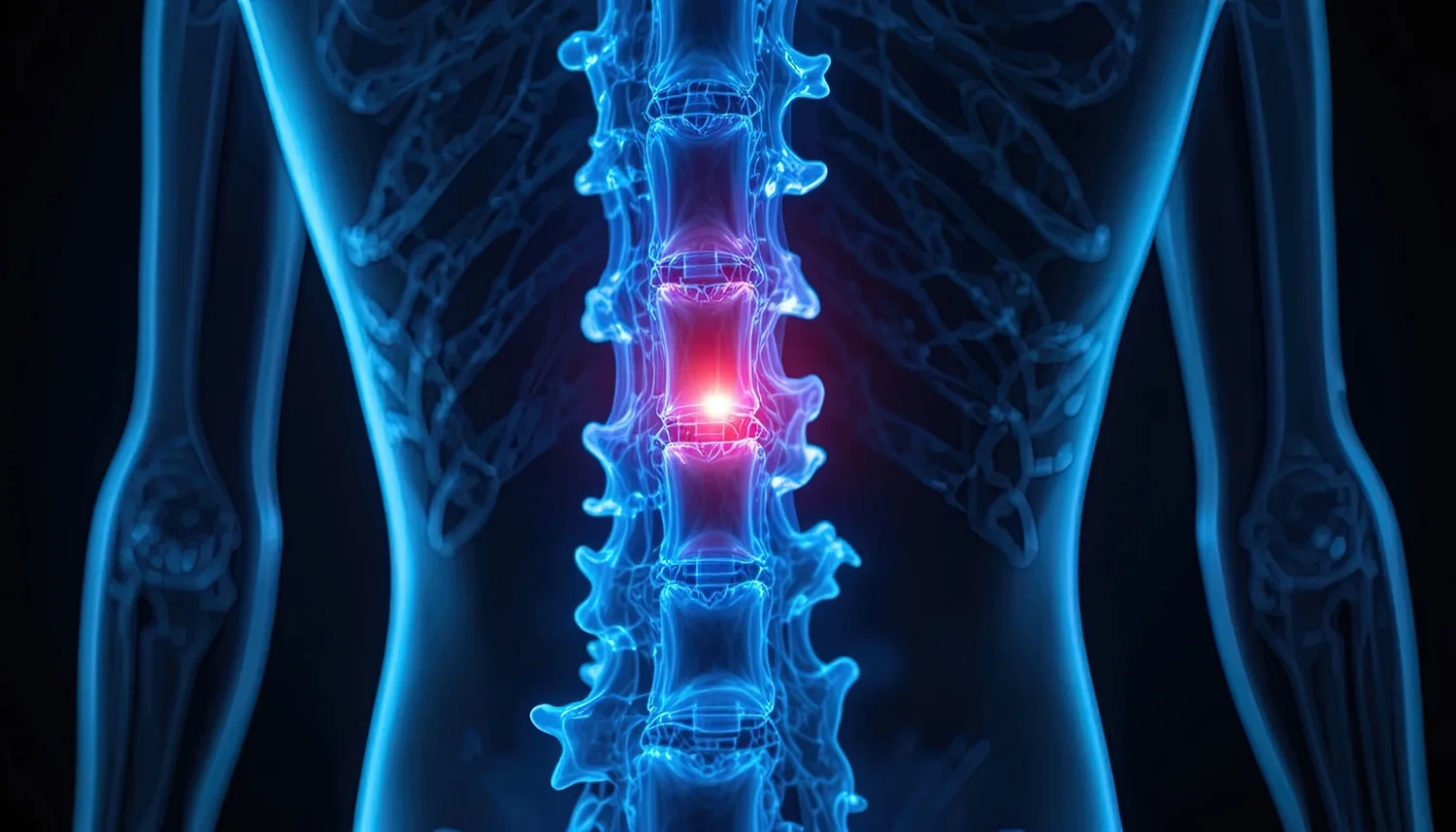
How a slipped disc is diagnosed
Effective treatment always begins with accurate diagnosis. The symptoms of a slipped disc can overlap with muscular strain, facet joint irritation, nerve root inflammation, and other spinal conditions, so it is important to assess more than just where the pain is felt.
A proper clinical assessment usually includes:
- a detailed history of how the symptoms began
- spinal movement testing
- neurological examination
- assessment of strength, sensation, and reflexes
- identification of aggravating and easing movements
In many cases, imaging may also be useful. MRI is often the most informative test when a slipped disc is suspected, especially if symptoms are persistent, radiating, or neurological. That said, imaging should support clinical reasoning rather than replace it. The scan matters, but so does the actual presentation of the patient.
How to heal a slipped disc
When people ask how to heal a slipped disc, the most important answer is this: pain relief alone is not the same as recovery. Painkillers can reduce symptoms, but they do not correct the disc problem, restore movement quality, or rebuild spinal support.
Manual treatment and spinal care
If the problem is mechanical, hands-on treatment can play a major role. In selected cases, back adjustment london may help improve movement through restricted spinal segments and reduce the pressure patterns that are aggravating the disc and surrounding tissues.
Reducing secondary muscle guarding
Disc pain often causes intense protective tension in the lower back, buttock, neck, or shoulder girdle. This extra muscular guarding can make pain worse and movement harder. Where this is a major factor, remedial massage London may help reduce overload, improve circulation, and make rehabilitation more tolerable.
Exercise-based recovery
Long-term recovery depends heavily on movement. Well planned corrective exercises can help improve spinal stability, restore control, and reduce the likelihood of future recurrence. The key is choosing the right exercise at the right time. In the acute stage, too much force or the wrong movement can aggravate symptoms rather than help.
Supportive treatment options
Some patients also benefit from supportive measures during recovery. kinesio taping London may help with posture awareness and tissue support. In chronic overload patterns involving persistent soft tissue pain around the spine, focused shockwave therapy London may be used as an adjunct in selected cases.
If symptoms followed injury or accident, a wider recovery plan may be needed. In these situations, rehabilitation London can help restore movement patterns and function rather than simply reduce pain.
In some patients, reduced movement and prolonged pain lead to secondary swelling or poor tissue drainage. Where appropriate, manual lymphatic drainage London may be considered as part of supportive care.
Younger patients can also develop disc-related overload, particularly with poor posture, training load, or growth-related imbalance. In those cases, physiotherapy for children London may be appropriate when a careful assessment is needed early.
What can worsen a bulging disc?
A bulging or herniated disc is often made worse by the same habits that helped create it. The most common aggravating factors include:
- heavy lifting
- repeated bending and twisting
- long periods of sitting
- poor desk setup
- lack of movement variety
- forcing stretches that increase nerve pain
- returning to training too early
- ignoring recurring symptoms
The biggest problem is usually not one dramatic event, but repetition. If the spine is continually exposed to the same overload without treatment, the disc has less chance to settle and remodel properly.
How long recovery can take
Recovery time varies. Some mild cases improve within a few weeks, especially when treatment starts early and aggravating factors are reduced quickly. More established cases can take significantly longer. In clinical practice, recovery from a slipped disc often takes anywhere from 1 to 6 months depending on severity, history, age, and consistency of treatment.
For many patients, an average plan may involve 3 to 10 treatment sessions spaced out over time, with more advanced cases requiring longer follow-up. The important thing is to stay realistic: disc recovery is usually a process, not a quick fix.
When you should not wait any longer
Some symptoms suggest that a slipped disc needs urgent medical attention. You should seek prompt assessment if you experience:
- rapidly worsening weakness
- clear foot drop
- severe numbness in the groin or saddle area
- changes in bladder or bowel control
- loss of strength that is getting worse rather than better
These symptoms may indicate significant nerve compression and should not be ignored.
FAQ – Slipped Disc
How to heal a slipped disc?
Healing a slipped disc usually requires more than painkillers and rest. The best approach combines accurate diagnosis, reducing overload, hands-on treatment where appropriate, and progressive rehabilitation. Recovery also depends on changing the habits that keep stressing the disc. Early treatment generally leads to better results than waiting for it to pass on its own.
How do I know if I’ve slipped a disk?
Typical signs include strong back or neck pain, pain spreading into an arm or leg, tingling, numbness, weakness, or difficulty moving normally. In more advanced cases, you may notice reduced sensation or even foot drop. These are common slipped disc symptoms, but the exact pattern depends on the level of the spine involved. A proper clinical assessment is the best way to confirm what is going on.
What can be mistaken for a slipped disc?
A slipped disc can sometimes be mistaken for muscle strain, joint restriction, nerve irritation, hip pain, or other causes of radiating symptoms. In the lower back, it may overlap with sciatica or facet joint pain. In the neck, it can mimic shoulder or arm problems. That is why diagnosis should never rely only on where the pain is felt.
What can worsen a bulging disc?
Heavy lifting, repeated bending, twisting, prolonged sitting, poor posture, and forcing painful movements can all make a disc problem worse. Continuing the same overload that caused the issue often prolongs recovery. Ignoring recurring symptoms is also a common reason why the problem deepens. Treatment works best when the cause of the overload is addressed early.
Is walking ok for a slipped disc?
Walking is often helpful for a slipped disc, as long as it does not clearly increase symptoms. Gentle walking can improve circulation, reduce stiffness, and stop the body becoming too deconditioned. However, walking is not a cure on its own and must fit the stage of recovery. If walking makes leg pain or numbness worse, the approach should be reviewed.